Capabilities

What the estate does all year, written down as it happens

Labour, the store, pulping, dispatch, sales and rain, all joined to one another. The point of joining them is that cost per kilo stops being a guess you make after the season closes.

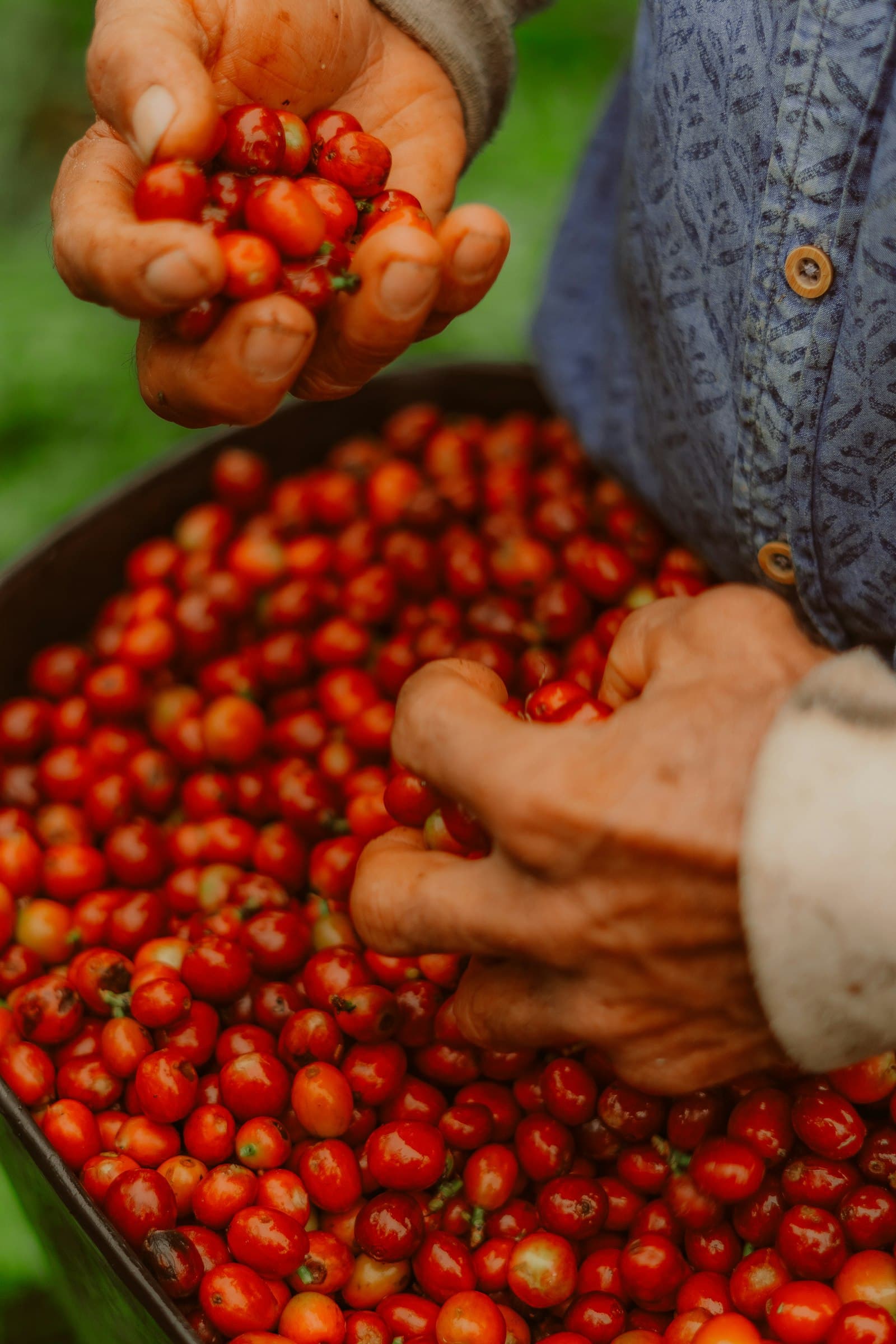
A picker's hands full of ripe red coffee cherry above a collecting basin

Labour, the store, and what a kilo really cost

Mark the muster in the morning and issue fertiliser out of the store in the evening. By the end of the week the cost of a kilo of parchment has worked itself out, block by block.

  • Daily roll by activity code, for your own people and for contract gangs
  • Fertiliser and spray come off store stock the moment they are issued
  • Cost per kilo season to date, worked out per block and not as an estate average
  • A warning in the Monday brief when a buyer quotes under what it cost you
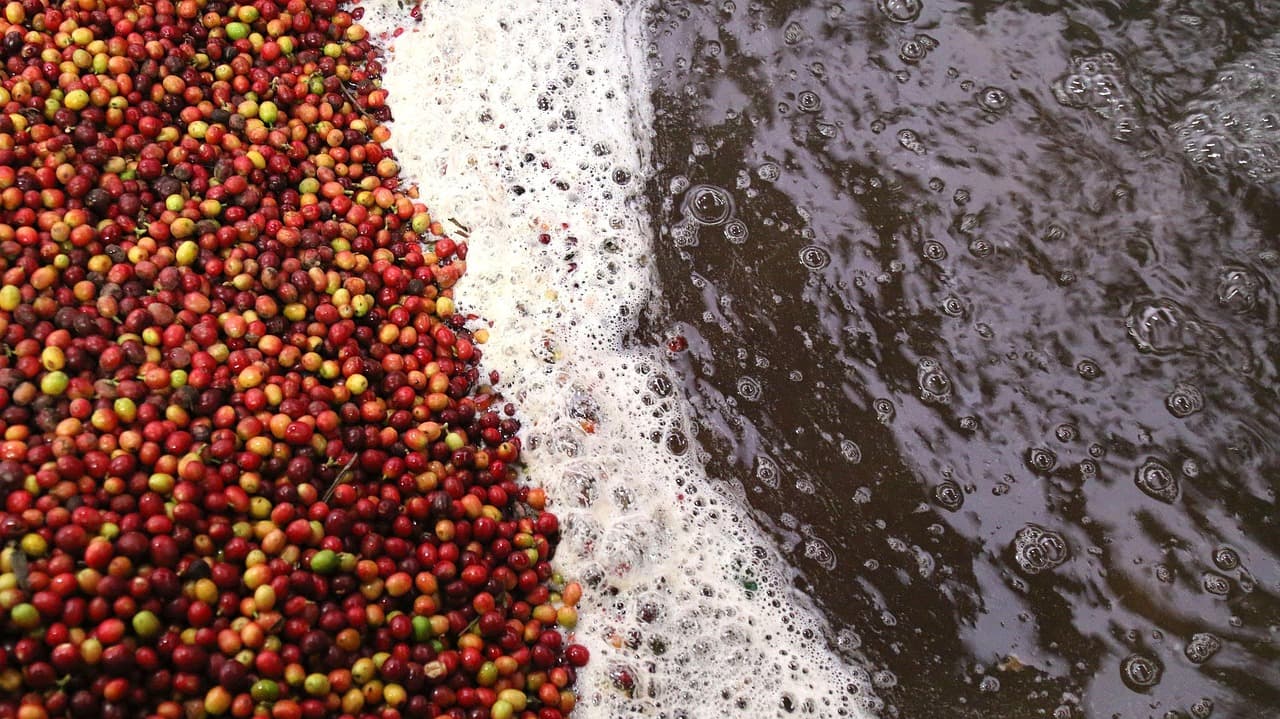
Ripe cherry moving down the washing channel beside the pulper

Cherry through the pulper and onto the yard

Every batch from intake to dry weight, with Arabica and Robusta kept apart the whole way. Outturn is on screen the day you log it, not reconstructed in March.

  • Cherry intake and pulping batches recorded against the block they came off
  • Dry parchment and dry cherry counted separately, never pooled
  • Batches that fall under your own season average get flagged
  • Yard stock, processing days and locations visible without asking anyone
A loaded lorry carrying estate produce through Karnataka traffic

Out of the gate, and what the buyer weighed

Nothing counts as sold until the weighbridge slip comes back. If the sales figure runs past what was actually received, the app says so instead of quietly balancing.

  • Dispatch entries with bag count and the curing works it went to
  • Stock releases for sale only against buyer-confirmed weight
  • A flag the moment sales kg run past dispatch kg received
  • Revenue per kilo sitting next to production cost per kilo
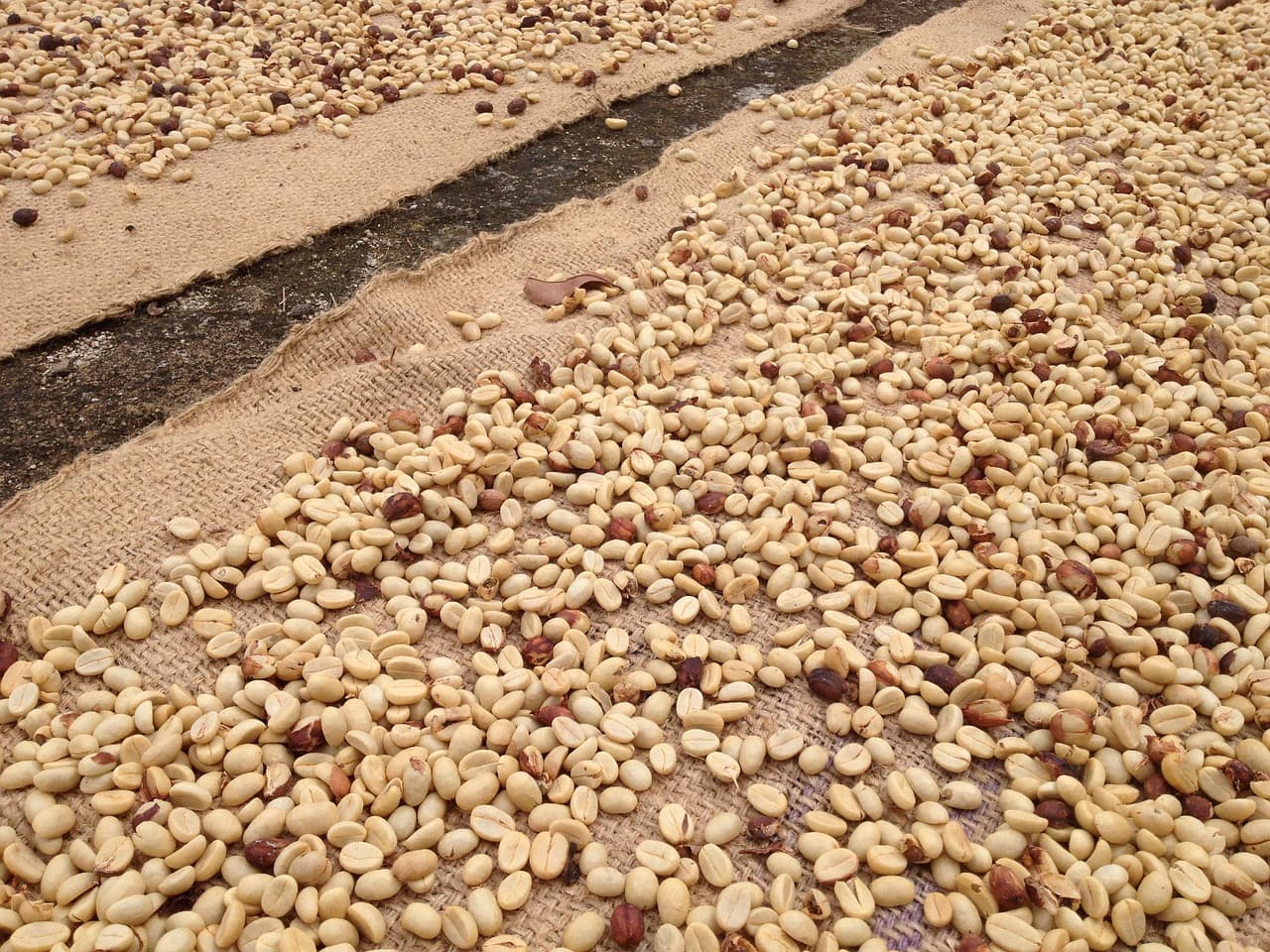
Parchment coffee spread out on hessian sacking to dry

Rain, weather, and the Monday brief

Every Monday at six, a short read on the week that went: what moved, what looked wrong, where coffee is trading, and three things worth doing before Friday.

  • Daily rain gauge readings and a three day forecast for drying decisions
  • Wage share, cost per kilo and revenue trend, written out in plain sentences
  • Benchmark coffee prices set against the parchment you have not sold
  • Season against season once you have two of them on record

How estates usually begin

Start light in the off season. Go full when the picking starts.

Off season, April to September

Starter

Mark the daily labour and the fertiliser rounds. Keep the store straight. Log the rain. By October you have a clean cost baseline to judge the harvest against.

₹1,299 a month

Harvest, October to March

Operations

Adds pulping and drying records, dispatch, sales, the season P&L and the Monday brief. Cherry intake through to the bank payment, in one book.

₹3,499 a month

Whenever you like

Move up without re-entering anything

Every row you have already typed stays exactly where it is. Switching from Starter to Operations is a setting in the admin console, not a migration.

No lock-in