 Picking
Cherry taken in
0 kg
88 separate weighings, each against the block it came off.
The numbers a coffee planter runs on: what the pulper turned out, who was on the muster, what a kilo of parchment cost, and what the curing works actually weighed. Pepper and arecanut ride along, because they grow on the same land.
Block 4B · Arabica
Sample entryMarked 6:42 AM, from the field. Outturn updates the moment it is saved.
One estate, one season
One Coorg estate, one season, typed in as the days went by. These are its own numbers, not a demo.
PickingCherry taken in
0 kg
88 separate weighings, each against the block it came off.
 Pulping
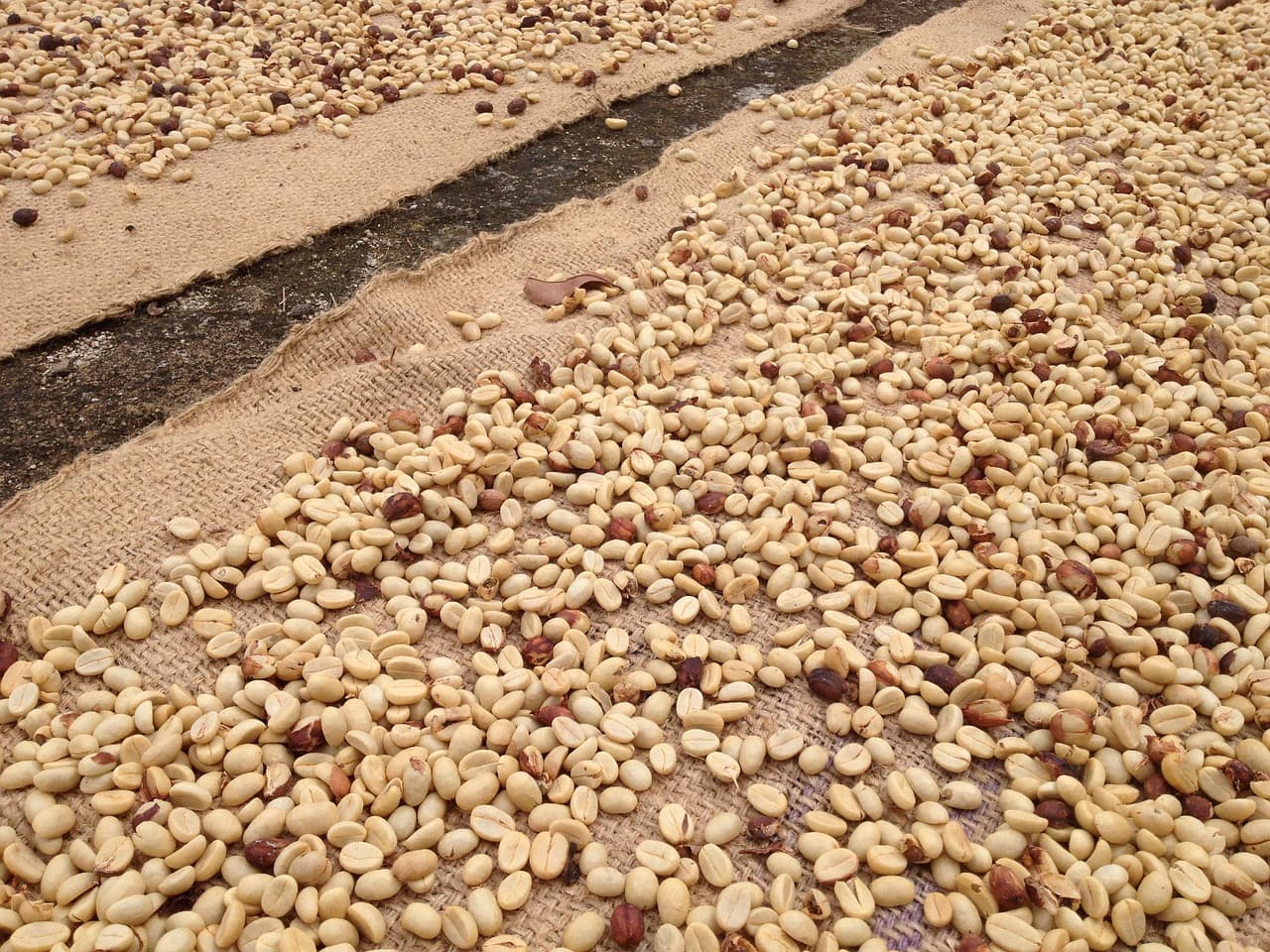
Parchment off the yard
0 kg
27.3 kg of parchment for every 100 kg of cherry that went in.
 Curing
Sent to the curing works
0 kg
Still your stock until the curer's weighbridge slip comes back.
 Sale
SaleBooked for the season
₹0.0 L
11,910 kg priced by grade and settled with the buyer.
Coffee, and only coffee
Every field and every column is named the way your estate already names it. Nothing to map, nothing to explain to the writer on his first morning.
Built in Karnataka on working estates in Coorg and Chikmagalur, by people who have had to reconcile a weighbridge slip at nine in the evening.
Arabica and Robusta, kept apart
Different blocks, different pulping, different price. They stay separate the whole way down the page, because the average of the two answers nothing you would ask.
Outturn
Cherry in, wet parchment out, dry weight off the yard. The ratio you get judged on, worked out the second you save the batch instead of in March.
The muster
The daily roll, marked the way your writer already marks it. A contract gang goes on as one crew with a headcount, never as twenty invented names.
Dispatch to the curing works
What left your gate, beside what the curer's weighbridge said when it arrived. The gap between those two figures is usually the first thing worth arguing about.
Cost per kilo, by block
Shade lopping, spray rounds, manuring, picking. Each charged to the block it was spent on, because your blocks are not alike and the costing should stop pretending they are.
Pepper and arecanut
Up the shade trees and down in the wet patches. Tracked and sold alongside the coffee, since on a Coorg estate it is all one piece of land anyway.
A working day
Nobody sits down to do data entry. It gets marked as it happens, on a phone, wherever there is a bar of signal to be had.
Dead patches are fine
Anything marked without signal sits on the phone and uploads itself the moment a bar comes back. Your writer never has to remember to retry it, and nothing is lost on the walk down to the office.
The muster
Your writer marks who turned up and puts each gang on a job and a block. Contract crews go on by headcount in one line.
Cherry weighed at the store
Bags come off the field and go on the scale. Each weighing is tagged to the block it was picked from.
Pulping
Cherry into the pulper, wet parchment weighed out the other side. Your outturn for the day is on screen before the yard is swept.
Two bags of fertiliser issued
Out of the store and on to Block 4B. That cost sits on 4B alone and never gets smeared across the estate.
Lorry leaves for the curing works
Bag count and weight recorded at the gate. It stays on your books as stock until the weighbridge slip returns.
The week comes back to you
Outturn, wage bill, cost per kilo and anything that looked off, in your inbox before you are out of bed.
Monday morning
FarmFlow does the reading. What arrives is short: the numbers that moved, the ones that do not look right, and what is worth doing about them.
Your estate, week of 8 September
FarmFlow, every Monday at 6 AM
Three things worth doing this week are at the bottom of every brief.
Benchmark coffee prices come in daily and get set against the parchment you still hold. A three month high reaches you before your buyer's phone call does.
Type the question the way you would say it out loud. "Why did cost per kilo jump in July?" It answers off your own records and shows the rows it read.
A wage bill well over last season's same week. An outturn under your own average. Those get called out in the brief instead of waiting for you to notice.
Getting started
No consultant, no data migration, no waiting on us. Your writer can mark tomorrow's muster.
Name your blocks and their acreage, your store, and the people on the roll. Eighty activity codes for lopping, manuring, picking and spraying are already loaded, so there is nothing to invent first.
One account for whoever marks the muster. They carry on exactly as they do now, on paper first if they like, then put it in before the day ends.
Outturn, wage bill, cost per kilo, what each block returned. Ready on the day you ask for it rather than rebuilt out of registers in May.
What it costs
Take the bundle that fits the estate today and switch more on as it grows. Every plan opens with the same 30 free days.
Starter
For the estate that wants its notebook and its Excel sheet in one place. Labour, expenses, stock, a balance sheet that stays current, and the rain gauge. No harvest workflow.
No card, no commitment
Operations
Picking season through to the bank payment. Adds pulping and drying records, dispatch, sales, the season P&L, and the Monday brief on top of Starter.
Everything in Starter, plus
No card, no commitment
Enterprise
Everything in Operations, plus quality grading, curing records, receivables, compliance and oversight across several estates. Built for planters running more than one property.
Everything in Operations, plus
No card, no commitment
Before you sign up
Anything not answered here goes to a person, usually the same day. Write to us.
The app runs in Kannada and Tamil as well as English, and each person picks their own language on their own login. On the muster screen it is mostly names and numbers in any case.
Entries made in a dead patch sit on the phone and go up by themselves the moment a bar appears. Your writer does not have to remember to do anything, and nothing is lost walking back to the office.
Keep them as long as you want to. Most estates run both through one season, find they have stopped opening the register, and let it go on their own. Nothing here asks you to throw the books out on day one.
Any of it, any time, as CSV or PDF, at no charge. It is your estate's record of its own season and it should never be held hostage by a subscription.
Nobody outside your estate. Isolation is enforced in the database itself, not just by careful queries, so another estate cannot read your rows even by mistake. Inside your estate you decide which screens each person gets.
You get an email before it ends. Nothing is deleted, no card is charged, and you decide then whether to carry on. If you walk away, your export still works.
Spend a morning naming your blocks, your store and your people. Your writer can mark tomorrow's muster, and the first weekly brief lands the Monday after that.